Turn your Turkish sentence into Ottoman Turkish
Write a sentence and Divançe rewrites it in the styles of five literary periods. Alongside it come real couplets from classical poetry, close in meaning, and a shareable card.
Translate your own sentence
In the styles of five periods, in Latin and Arabic script.
Divançe writes the period translations. Couplets under “From classical poetry” are real: 2,606 couplets, 36 poets, each with a source.
Couplet of the day
How it works
Write a sentence
Your own sentence, in today's Turkish. It does not need to be long.
Get it in five periods
Divançe rewrites your sentence separately in the Classical Divan, Tulip Era, Tanzimat, Servet-i Fünûn and National Literature styles. These are not period texts but new texts written in each style. Alongside them come real couplets from classical poetry, close in meaning.
Share the card
Turn the result into a stylish image card, then download it or share it directly.
Five literary periods
The same sentence says something different in each of the five styles. What sets Divançe apart is keeping them distinct.
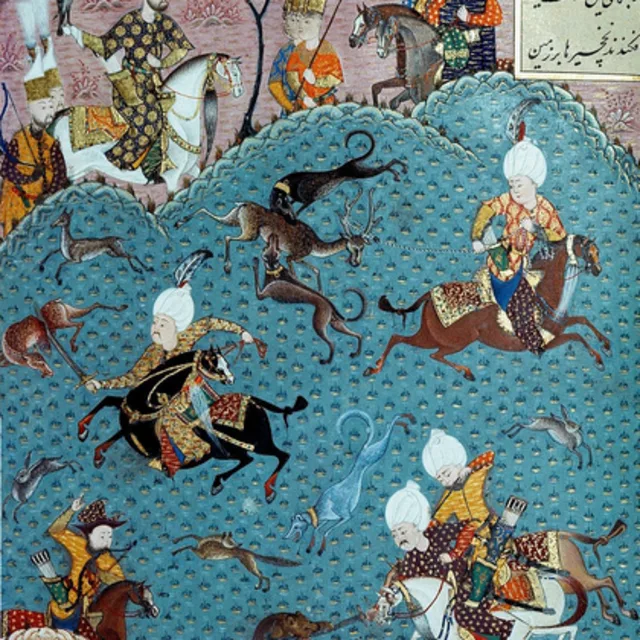
Divan
Classical divan idiom: conventional imagery, quantitative meter, dense metaphor.
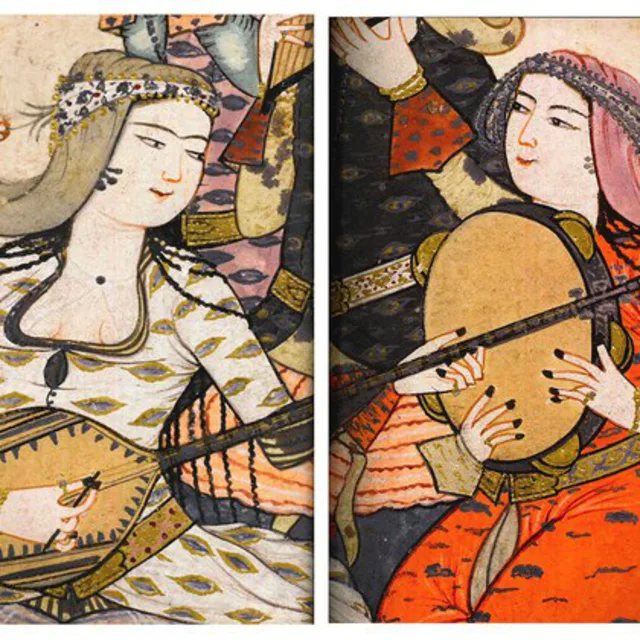
Tulip Era
Graceful, worldly, cheerful phrasing.

Tanzimat
Turning westward: plainer language carrying ideas.
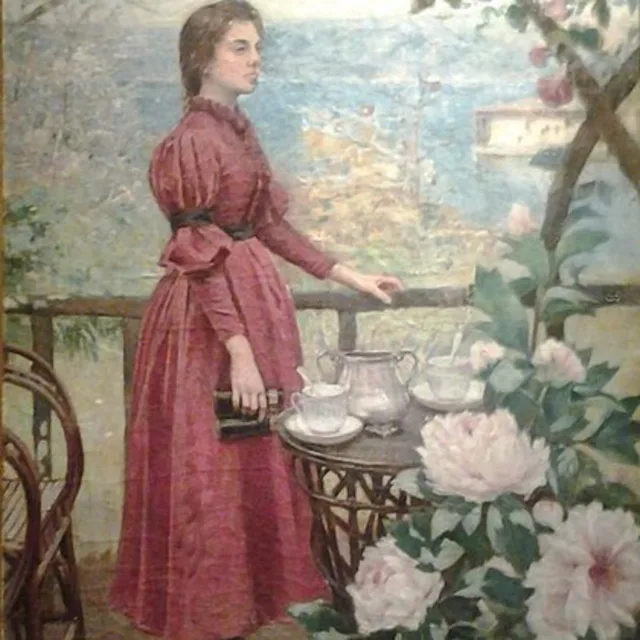
Servet-i Fünûn
Delicate, inward looking, painterly.

National Literature
Close to plain Turkish, closer to everyday speech.
No fake classical couplets
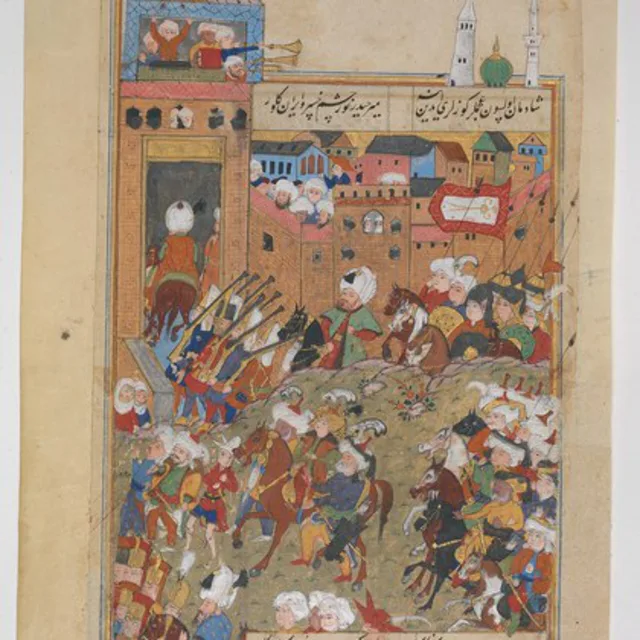
Divançe writes the period translations and the couplets under them; they are not attributed to any poet or work. Every couplet shown under "From classical poetry" comes verbatim from the corpus: 2,606 couplets, 36 poets, each with a source. A couplet without a source never appears in this section; when no real couplet close in meaning can be found, Divançe says so honestly.
Ehl-i dil cânlara meyl et şeref ü izzet bul
Nazarın kânlara kıl gevher-i zî-kıymet bul
Example translations
Sentences written in modern Turkish
Mobile app coming soon
Be the first to try it
iOS and Android apps are in the works. We will send a single email when they are released.